Advertisement
Staying informed is more important than ever as the situation unfolds with Covid-19. Stay tuned here for our live updates, and be sure to let us know what your business is doing to face this unprecedented challenge.
Covid-19 News Updates
More support for SMEs incoming as loan scheme extended
 "More support for SMEs incoming as loan scheme extended")
The Federal Government will be extending and expanding its 'SME Loan Guarantee Scheme' as part of its commitment to provide up to $40 billion in lending to small and medium enterprises.
So far, more than 35,000 loans worth more than $3 billion have already been provided, but now the scheme will be targeted to support businesses that have still been relying on JobKepper during the March quarter.
The expanded Scheme will also increase the size of eligible loans, increasing from $1 million under the current Scheme to $5 million. Maximum loan terms under the expanded Scheme will also be increased from 5 to 10 years.
"This SME Recovery Scheme is part of the next step in our plan to help small businesses stand on their own two feet as the economy recovers from COVID-19," Treasurer Josh Frydenberg said.
"The expansion and extension of the loans will back businesses that back themselves and will help businesses who continue to do it tough build a bridge to the other side of the crisis and keep their staff employed."
Further, the $50 million Business Events Grants Program will also be extended by three months to support Australian businesses to hold multi-day business events, covering up to 50 per cent of costs incurred in participating business events during the 2021 calendar year.
The support has been welcomed by the Australian Banking Association (ABA) CEO Anna Bligh, saying it will help fuel Australia's economic recovery.
"This is the right product for the times. It includes more flexibility, and will allow small businesses to re-stock, rebuild and recover", Bligh said.
"The new phase of the scheme will make more businesses eligible and allow banks to provide more funding and support to businesses, particularly those still doing it tough."
The Government has also extended the following programs to 30 September 2021:
- the Domestic Aviation Network Support (DANS) and Regional Aviation Network Support (RANS) programs,
- the 50 per cent waiver of domestic air services charges for Regular Public Transport (RPT) and aeromedical flights, and
- the International Freight Assistance Mechanism.
The $94.6 million Zoos and Aquarium program will be extended by six months to support zoos, aquariums and wildlife parks to maintain their animal populations where their tourism revenue has been affected by travel and social distancing restrictions.
The COVID-19 Consumer Travel Support Program will also be extended for three months beyond 13 March.
Updated at 11.46am AEDT on 11 March 2021.
After a year of pain, here's how the COVID-19 pandemic could play out in 2021 and beyond
 "After a year of pain, here's how the COVID-19 pandemic could play out in 2021 and beyond")
One year ago today, the World Health Organization (WHO) declared COVID-19 a pandemic, the first caused by a coronavirus.
As we enter year two of the pandemic, let's remind ourselves of some sobering statistics. So far, there have been more than 117.4 million confirmed cases of COVID-19 around the world; more than 2.6 million people have died. A total of 221 countries and territories have been affected. Some 12 of the 14 countries and territories reporting no cases are small Pacific or Atlantic islands.
Whether the race to end the pandemic will be a sprint or a marathon remains to be seen, as does the extent of the gap between rich and poor contestants. However, as vaccines roll out across the world, it seems we are collectively just out of the starting blocks.
Here are the challenges we face over the next 12 months if we are to ever begin to reduce COVID-19 to a sporadic orendemic disease.
Vaccines are like walking on the Moon
Developing safe and effective vaccines in such a short time frame was a mission as ambitious, and with as many potential pitfalls, as walking on the Moon.
Miraculously, 12 months since a pandemic was declared, eight vaccines against SARS-CoV-2, the virus that causes COVID-19, have been approved by at least one country. A ninth, Novavax, is very promising. So far, more than 312 million people have been vaccinated with at least one dose.
While most high-income countries will have vaccinated their populations by early 2022, 85 poor countries will have to wait until 2023.
This implies the world won't be back to normal travel, trade and supply chains until 2024 unless rich countries take actions such as waiving vaccine patents, diversifying production of vaccines and supporting vaccine delivery to help poor countries catch up.
The vaccines have been shown to be safe and effective in preventing symptomatic and severe COVID-19. However, we need to continue to study the vaccines after being rolled out (conducting so-called post-implementation studies) in 2021 and beyond. This is to determine how long protection lasts, whether we need booster doses, how well vaccines work in children and the impact of vaccines on viral transmission.
What should make us feel optimistic is that in countries that rolled out the vaccines early, such as the UK and Israel, there are signs the rate of new infections is in decline.
What are the potential barriers to overcome?
One of the most salutary lessons we have learnt in the pandemic's first year is how dangerous it is to let COVID-19 transmission go unchecked. The result is the emergence of more transmissible variants that escape our immune responses, high rates of excess mortality and a stalled economy.
Until we achieve high levels of population immunity via vaccination, in 2021 we must maintain individual and societal measures, such as masks, physical distancing, and hand hygiene; improve indoor ventilation; and strengthen outbreak responses testing, contact tracing and isolation.
However, there are already signs of complacency and much misinformation to counter, especially for vaccine uptake. So we must continue to address both these barriers.
The outcomes of even momentary complacency are evident as global numbers of new cases once again increase after a steady two month decline. This recent uptick reflects surges in many European countries, such as Italy, and Latin American countries like Brazil and Cuba. New infections in Papua New Guinea have also risen alarmingly in the past few weeks.
Some fundamental questions also remain unanswered. We don't know how long either natural or vaccine-induced immunity will last. However, encouraging news from the US reveals 92-98% of COVID-19 survivors had adequate immune protection six to eight months after infection. In 2021, we will continue to learn more about how long natural and vaccine-induced immunity lasts.
New variants may be the greatest threat
The longer the coronavirus circulates widely, the higher the risk of more variants of concern emerging. We are aware of B.1.1.7 (the variant first detected in the UK), B.1.351 (South Africa), and P.1 (Brazil).
But other variants have been identified. These include B.1.427, which is now the dominant, more infectious, strain in California and one identified recently in New York, named B.1.526.
Variants may transmit more readily than the original Wuhan strain of the virus and may lead to more cases. Some variants may also be resistant to vaccines, as has already been demonstrated with the B.1.351 strain. We will continue to learn more about the impact of variants on disease and vaccines in 2021 and beyond.
A year from now
Given so many unknowns, how the world will be in March 2022 would be an educated guess. However, what is increasingly clear is there will be no "mission accomplished" moment. We are at a crossroads with two end games.
In the most likely scenario, rich countries will return to their new normal. Businesses and schools will reopen and internal travel will resume. Travel corridors will be established between countries with low transmission and high vaccine coverage. This might be between Singapore and Taiwan, between Australia and Vietnam, and maybe between all four, and more countries.
In low- and middle-income countries, there may be a reduction in severe cases, freeing them to rehabilitate health services that have suffered in the past 12 months. These include maternal, newborn, and child health services, including reproductive health; tuberculosis, HIV and malaria programs; and nutrition. However, reviving these services will need rich countries to commit generous and sustained aid.
The second scenario, which sadly is unlikely to occur, is unprecedented global cooperation with a focus on science and solidarity to halt transmission everywhere.
This is a fragile moment in modern world history. But, in record time, we have developed effective tools to eventually control this pandemic. The path to a post-COVID-19 future can perhaps now be characterised as a hurdle race but one that presents severe handicaps to the world's poorest nations. As an international community, we have the capacity to make it a level playing field.
Michael Toole, Professor of International Health, Burnet Institute
This article is republished from The Conversation under a Creative Commons license. Read the original article.
QLD offers $200 vouchers to boost Far North tourism
 "QLD offers $200 vouchers to boost Far North tourism")
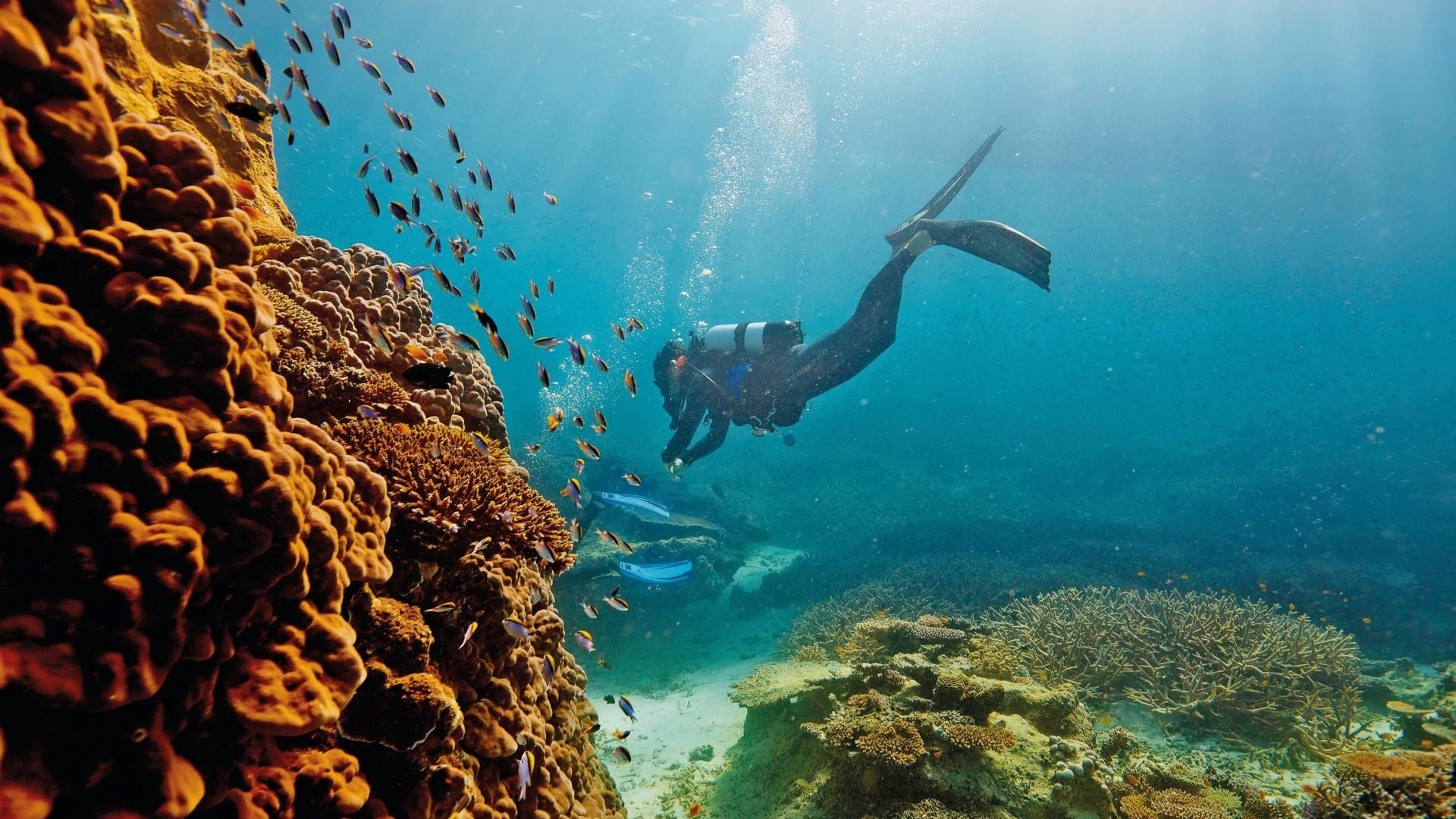
Tourism operators in the Cairns and Great Barrier Reef region will be given a demand-driven lifeline now that JobKeeper support will finish at the end of this month, with the state government offering $200 vouchers to travellers in the region.
There will be 15,000 of the vouchers available to Queenslanders who spend on tourism experiences in the region over the next four months, and if the scheme proves successful the model could be rolled out elsewhere in the state.
Launched yesterday, people have three days until 11 March to enter the draw to secure one of the vouchers that can be used anytime between 15 March and 25 June.
As a tourism destination that has been historically highly dependent on international visitors, Cairns has been particularly hard hit economically be COVID-19.
"Our Cairns Holiday Dollars offer will be rushed as similar schemes in other states have been heavily oversubscribed," Premier Annastacia Palaszczuk said, drawing on similar initiatives in NSW and VIC.
"The vouchers give people the chance to go on tours and experience some of the attractions in the Far North and we'll cover 50 per cent of the cost, up to $200.
"The vouchers can be used for trips to the Great Barrier Reef, guided tours around the region, bungy jumping, day spas, and entry to wildlife parks, zoos and aquariums."
The $3 million injection is the first time in Queensland that a government has offered vouchers to bolster and support the tourism industry, according to Palaszczuk.
"But these are extraordinary times and Tropical North Queensland tourism operators have done it very tough over the last 12 months," she said.
"It's expected the initiative could generate an extra visitor spend of up to $14 million for the Cairns and Great Barrier Reef economy.
"If the $3 million plus promotion, in partnership with Tourism Tropical North Queensland proves a success it could well be rolled-out for the Gold Coast, the Whitsundays and Brisbane."
Tourism Minister Stirling Hinchliffe said Cairns and Port Douglas were world-famous for their warm Far North Queensland hospitality.
"The Cairns and the Great Barrier Reef region has always been a popular gateway destination for international visitors," Mr Hinchliffe said.
"Prior to the COVID-19 pandemic, more than 800,000 overseas visitors had landed in Cairns every year and contributed more than $1 billion to the region's economy.
"To have almost a third of your visitor economy wiped out by COVID's closure of the international border is a big hit in anybody's language."
He said the travel vouchers were the perfect excuse for Queenslanders to pack a bag this Easter and discover why the Far North has such an "impeccable international visitor reputation".
"By spoiling yourself with an unforgettable Cairns tropical holiday, you'll be supporting jobs and helping Queensland tourism rebuild better.
"Supporting Queenslanders is what Queenslanders do."
Member for Cairns Michael Healy said rebuilding the tourism industry was an important part of the government's economic recovery plan for Tropical North Queensland.
"This strategy will pump millions of dollars into local businesses which is exactly what we need right now," he said.
Incentivising tourists to travel to the Tropical North won't only deliver a great return for operators in the short-term, it will help us to grow our domestic visitor base long into the future."
Tourism Tropical North Queensland Chief Executive Officer Mark Olsen welcomed the Cairns Holiday Dollars as an incentive for visitors to add an additional experience to their Cairns and Great Barrier Reef holiday.
"Our region's diverse tourism experiences showcasing two World Heritage areas have helped turn the Cairns and Great Barrier Reef region into an international destination," he said.
"This is an exciting opportunity for Queenslanders to discover that you can experience the Great Barrier Reef with an Indigenous sea ranger, see the world's oldest rainforest while floating on a raft or go jet boating alongside the city."
Eligible tourism experiences could include boat or bus tours, other on-land or marine tourism experiences, reef experiences, scenic flights, short day trips, multi-day tours, spa experiences, galleries and exhibitions.
Mass redundancies forecast nationwide
The Australian Tourism Industry Council (ATIC) has today warned tourism businesses are already planning mass redundancies across industry due to the lack of certainty with the impending end of JobKeeper.
ATIC Executive Director Simon Westaway said to avoid further redundancies tourism enterprises need immediate answers on whether direct federal support will be available.
"Tourism businesses only require short-term assistance until the national vaccine rollout brings back confidence in domestic travel," Westaway said.
"The federal tourism package must include direct financial assistance to at risk tourism businesses."
He said the tourism business in capital cities was most at risk due to the downturn in interstate travel.
"The tourism Industry is not looking for more grant programs or pork-barrelling in a few regions," he said.
"Direct financial assistance should go to all tourism businesses at risk including sole traders and small family businesses as well as major airlines.
"Industry surveys show significant tourism job losses and business closures will occur due to a lack of confidence in domestic travel."
Photo: Australia.com
Updated at 7:17am AEST on 8 March 2020.
Italy blocks AstraZeneca vaccine shipment bound for Australia
 "Italy blocks AstraZeneca vaccine shipment bound for Australia")
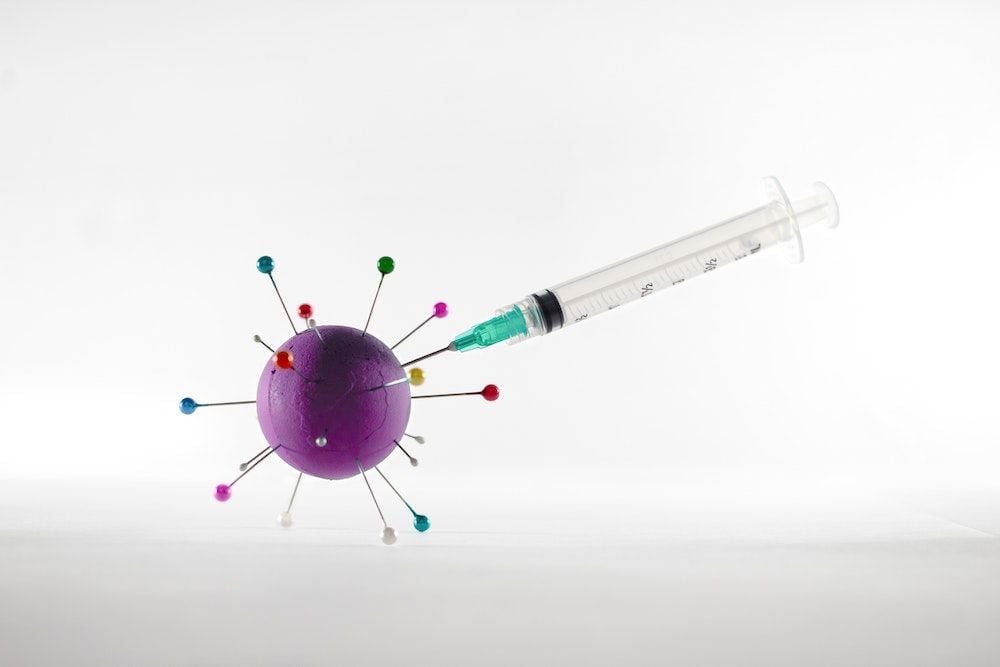
A shipment of the AstraZeneca COVID-19 vaccine destined for Australia has been blocked by Italy and the European Commission.
According to Italy's Minister of Foreign Affairs Luigi Di Maio, the shipment of 250,000 doses ordered by the Australian Government was blocked because the pharmaceutical giant had failed to supply the European nation with promised doses.
Italy's decision was backed by the European Commission, with EU regulation allowing countries that manufacture vaccines to prevent doses from being exported and marketed overseas.
Di Maio said in a Facebook post that Italy holds no hostility toward Australia, noting the EU considers Australia a "non-vulnerable" country with regards to COVID-19.
The move is believed to be the first time a European country has blocked a shipment of vaccines to an overseas nation.
Italy is in a very different position to Australia currently, with more than 20,000 new COVID-19 cases recorded yesterday, and nearly 100,000 dead since the beginning of the pandemic.
As of 3 March 2021, Italy had administered more than 4.7 million doses of COVID-19 vaccines, representing just a fraction of the country's more than 60 million citizens.
It comes as the first doses of the AstraZeneca COVID-19 vaccine were administered in Australia today.
A doctor in regional SA was the first to receive the AstraZeneca vaccine this morning, with a further 1,000 doses to be administered to the population of Murray Bridge.
Updated at 10.42am AEDT on 5 March 2021.
International travel ban extended by three more months
 "International travel ban extended by three more months")
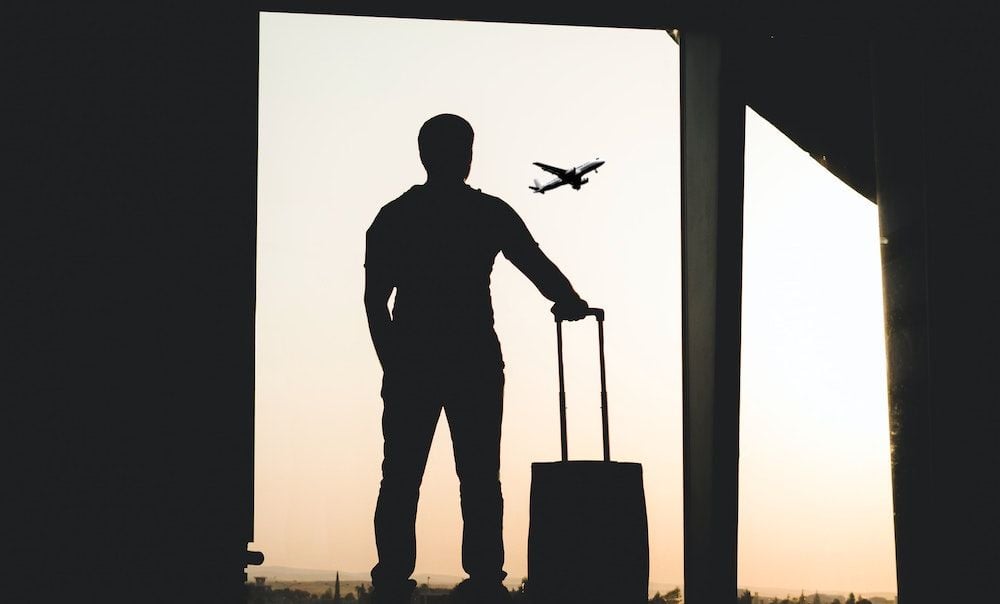
International travel will be off the cards for Australians until at least 17 June after the Federal Government extended the ban for an additional three months.
The ban is part of the Government's 'human biosecurity emergency' declaration, which gives the Australian government powers to take measures in order to prevent and control COVID-19 spread.
According to a statement from Federal Minister for Health and Aged Care Greg Hunt, the extension of the emergency period is informed by medical and epidemiological advice.
"The Australian Health Protection Principal Committee (AHPPC) has advised the Australian Government the COVID-19 situation overseas continues to pose an unacceptable public health risk to Australia, including the emergence of more highly transmissible variants," Hunt said.
"The extension of the emergency period for a further three months is about mitigating that risk for everyone's health and safety."
In addition to banning Australians from travelling overseas, the powers also include the following emergency determinations which have been extended for a further three months:
- Pre-departure testing and mask wearing for international flights;
- Restrictions on the entry of cruise vessels within Australian territory;
- Restrictions on trade of retail outlets at international airports.
"These restrictions can be amended or repealed if no longer needed," Hunt said.
"In particular, the Australian Government continues to work closely with state and territory agencies, national health committees and the cruise industry to develop a framework for the staged resumption of cruise ships in a manner that is proportionate to the public health risk."
While the COVID-19 situation in Australia is currently under control, overseas the virus continues to spread.
Yesterday, 294,930 new coronavirus cases were detected in the world, bringing the global total to more than 114 million.
The USA recorded the most new cases yesterday with 53,547 infections, followed by Brazil with 38,394, and Italy with 13,094.
Updated at 9.35am AEDT on 3 March 2021.
Victoria returns to pre-lockdown restrictions
 "Victoria returns to pre-lockdown restrictions")
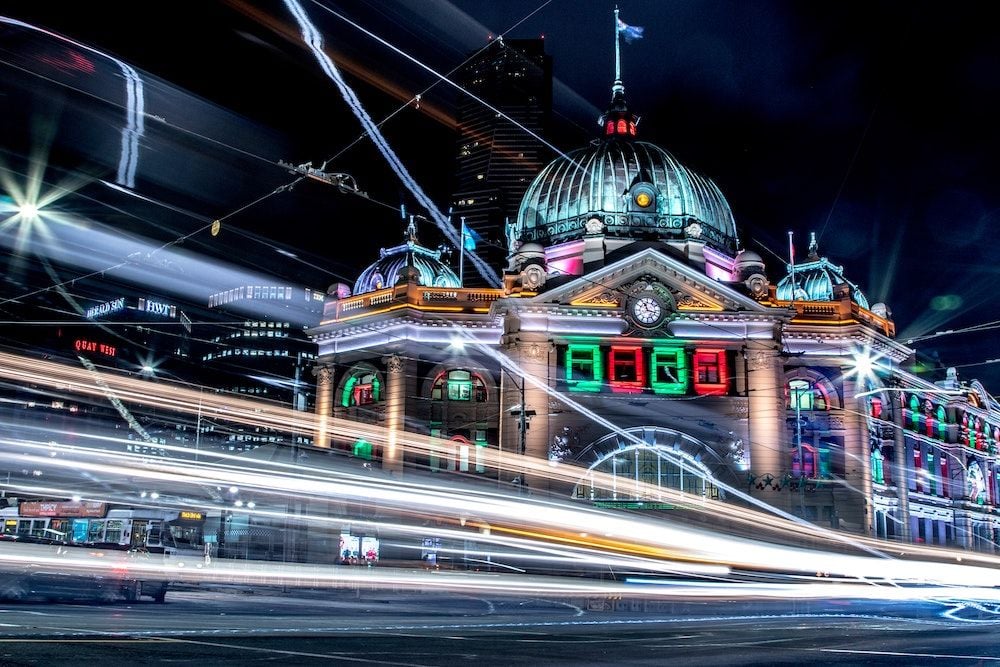
Despite recording two new locally transmitted cases of COVID-19, from tonight Victoria will return to settings that were in place prior to the state's latest lockdown.
As such, more visitors will be allowed in homes, mask wearing will be reduced, and more workers will be permitted to head back to the office.
From 11.59pm, masks will be only be required on public transport, rideshare vehicles and taxis, sensitive settings such as aged care facilities, and in some larger retail settings including indoor shopping centres, supermarkets, department stores and indoor markets.
Victorians will be able to host up to 30 people in their home per day. Outdoor gatherings in public places like the beach or the park will increase to 100 people.
The planned increase for office workers to return to work will go ahead at 75 per cent across both public and private sectors. For most workers, this will mean returning to the office from Monday 1 March.
Density limits in pubs, restaurants and cafes will remain at one person per two square metres for both indoors and outdoors with no other limit, so long as electronic record keeping is used.
For beauty services, businesses remain at one person per two square metres if they also introduce electronic record keeping. For businesses where that's not possible, density limits of one person per four square metres will apply.
Retail businesses also remain at one person per two square metres and electronic record keeping is recommended where practical.
Funerals and weddings are subject to a density limit of one person per two square metres. The same rules will apply to nightclubs and community facilities, like libraries, RSLs, and community halls.
In gyms, the density limit remains one person per four square metres with exercise classes limited to 50 indoors and 100 outdoors.
"I want to thank every Victorian for making today's announcement possible and I want to thank every Victorian for their patience," VIC Premier Daniel Andrews said.
"It's been a hard slog, but Victorians are doing what they do best as we work to beat this virus: staying the course and looking out for each other."
The changes come as VIC records two new locally transmitted cases of COVID-19.
Both cases were in isolation during their infectious period and pose no threat to the public, according to health officials.
It also comes as other states prepare to reopen to Melbourne following border closures in response to an outbreak of the coronavirus.
Queensland will reopen to Melbourne from 1am on Saturday, and South Australia will reopen from midnight tonight.
Updated at 12.19pm AEDT on 26 February 2021.
Queensland reopening to Melburnians from Saturday
 "Queensland reopening to Melburnians from Saturday")
With Queensland's health officials to lift a hotspot declaration for Greater Melbourne, the state will soon allow all travellers from the Victorian capital to enter without restrictions.
As such, from 1am on Saturday, 27 February, Queensland will reopen its border to all of Greater Melbourne, with travellers to no longer require a border pass to enter the state.
"It's great news for families and Victorian friends who can once again experience all that our great state has to offer," said Queensland Premier Annastacia Palaszczuk.
Victoria once again recorded no new cases of COVID-19 today from 18,282 test results.
Updated at 12.04pm AEDT on 25 February 2021.
SA opening to Melbourne from Friday, dancing allowed in clubs
 "SA opening to Melbourne from Friday, dancing allowed in clubs")
Melburnians will be free to travel into South Australia from 12.01am this Friday as state Premier Steven Marshall eases restrictions on venues to allow for dancing.
With Victoria yet again recording no new cases of COVID-19 today, the South Australian Transition Committee has made the decision to reopen borders to Melburnians from Friday.
As such, anyone from the Greater Melbourne area will be free to travel into SA without going into mandatory quarantine, nor will they need to be tested on arrival.
"I know this is going to be a huge relief," Marshall said.
"Victoria has got on top of their outbreak, we're grateful for the work that they have done, and now we're looking forward to welcoming people from across that border."
SA has also eased some restrictions on nightlife venues to allow the state's partygoers to dance while drinking.
For venues with a capacity of 200 people or less, dancing while drinking is now permitted as long as other COVID-19 requirements are abided by, including mandatory QR code scanning, and the presence of a COVID marshal.
For venues with a capacity of 200 to 1,000 people, dancefloors will be permitted but limited to 50 people at a time.
Venues with a capacity of more than 1,000 people will only be allowed to have dancing if an approved COVID safety plan is in place.
"I know a lot of people are going to be relieved that dancing is allowed back in South Australia," Marshall said.
"We're going to be very carefully monitoring how this goes and hopefully it goes extremely well.
"As the vaccination program rolls out there may be a further easing of restrictions down the track."
NSW eases gathering restrictions
From 12.01am on Friday, February 26, some restrictions in New South Wales will ease to hold larger gatherings at homes and allow dancing at weddings.
The new rules will allow for:
- 50 visitors allowed in homes
- 30 people allowed to dance at weddings, with guests permitted to rotate on and off the dance floor
- 50 people allowed in gym classes subject to the 4 square metre rule
- 30 people allowed to sing indoors
- 100 per cent capacity at cinemas
Updated at 12.32pm AEDT on 24 February 2021.
Starpharma's anti-COVID nasal spray approved in Europe and the UK
 "Starpharma's anti-COVID nasal spray approved in Europe and the UK")
Australian pharmaceutical company Starpharma's (ASX: SPL) anti-COVID nasal spray VIRALEZE has been approved for sale in Europe and the UK today, and is now on track to launch next month.
Shares in SPL have spiked on the announcement, up more than 9 per cent in early trade.
Starpharma hopes the launch of the product will be a major step forward in the fight against COVID-19, with the product shown to be virucidal rapidly inactivating more than 99.9 per cent of SARS-CoV-2 within 60 seconds.
"Starpharma is pleased to have successfully developed a product that has the potential to assist with the fight against the global COVID-19 pandemic," says Starpharma CEO Dr Jackie Fairley.
"We have already undertaken substantial launch preparations, including manufacturing in Europe, to ensure VIRALEZE is available to consumers and businesses as early as possible.
"The spray is easy to use and convenient and works rapidly, without being absorbed into the bloodstream. If you are about to walk into the supermarket, you would use it. The same is true for public transport, elevators, planes, bars and restaurants."
VIRALEZE has been shown to be effective against other respiratory viruses, including influenza, RSV, and other cold-causing coronaviruses in laboratory studies.
The product is expected to be available for sale online, direct to European and UK consumers next month.
A roll-out of VIRALEZE to European pharmacies is planned, and in parallel, Starpharma is undertaking discussions with B2B consumers, as well as with potential commercial partners seeking sales and marketing rights.
"Starpharma is focussed on making the product as widely available as possible, with further registrations and roll-out planned," says Fairley.
"We know from consumer research conducted with the Boston Consulting Group, that VIRALEZE has strong appeal for European customers across all age groups."
Despite a widespread rollout of the COVID-19 vaccine worldwide, the number of new infections continues to grow in the countries Starpharma is targeting.
Yesterday the UK reported more than 9,000 new infections of the coronavirus and 214 deaths.
France is currently in the midst of a surge in cases, with more than 22,000 new cases detected yesterday, and thousands of cases were reported in countries like Spain, Italy, and Germany.
Shares in SPL are up 9.55 per cent to $2.41 per share at 10.17am AEDT.
Never miss a news update, subscribe here. Follow us on LinkedIn, Instagram and Twitter.Business News Australia
Victoria records three new cases, all in isolation
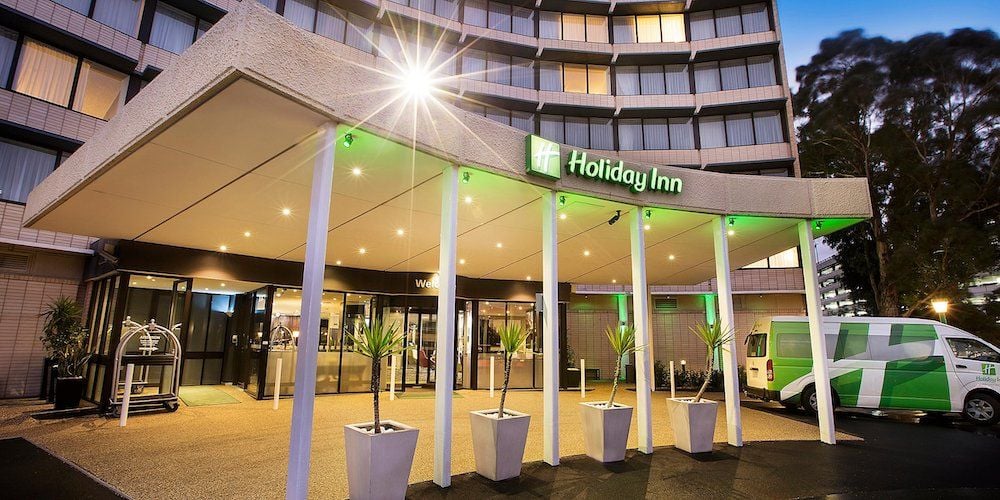 "Victoria records three new cases, all in isolation")
Three new locally acquired cases of COVID-19 have been detected in Victoria overnight, but they pose no threat to the public.
According to Victoria's health minister Martin Foley, the three new cases are from the same family and were previous residents of the Melbourne Airport Holiday Inn where the COVID-19 outbreak occurred.
"One member of the household, who was not at the Holiday Inn, was considered a secondary contact and had been isolating from other family members," Foley said.
"All three had negative tests - multiple negative tests between the 10th and 12th of February. All have been quarantining at home during their infectious periods."
These latest cases come just after Victoria completed its five-day circuit-breaker lockdown to quash an outbreak of the highly infectious UK variant of COVID-19.
The entire state left lockdown at midnight on Wednesday, but some restrictions remain limiting gathering numbers at homes and imposing caps on hospitality venues.
Masks are also mandatory in Victoria indoors.
Overseas the COVID-19 situation is different; global deaths from the coronavirus are approaching 2.5 million. In the US alone, deaths have surpassed 500,000.
Australia is set to commence the rollout of a COVID-19 vaccination program next week, with the most vulnerable Australians and frontline health workers to be vaccinated first.
Updated at 11.22am AEDT on 19 February 2021.
Advertisement
Latest News
From $13,000 to $20 million: how a PCOS diagnosis and a pair of scissors built Xali Organics
Inspired by a medical diagnosis and driven by innovative marketing,...
Cedar Woods secures $63.4m in new land acquisitions as record presales underpin pipeline push
Perth-headquartered residential developer Cedar Woods Properties (A...
Australia's long-term beer decline hits home as Lion plans to close Boag's brewery in Launceston
Australia's decades-long decline in beer consumption has claime...
Downer EDI seals $310m Transurban contract to maintain Sydney motorway network
Infrastructure services group Downer EDI (ASX: DOW) has secured con...
Propel Funeral Partners expands New Zealand footprint with trio of acquisitions worth $9.1m
Sydney-based death care provider Propel Funeral Partners (ASX: PFP)...
Advertisement