)
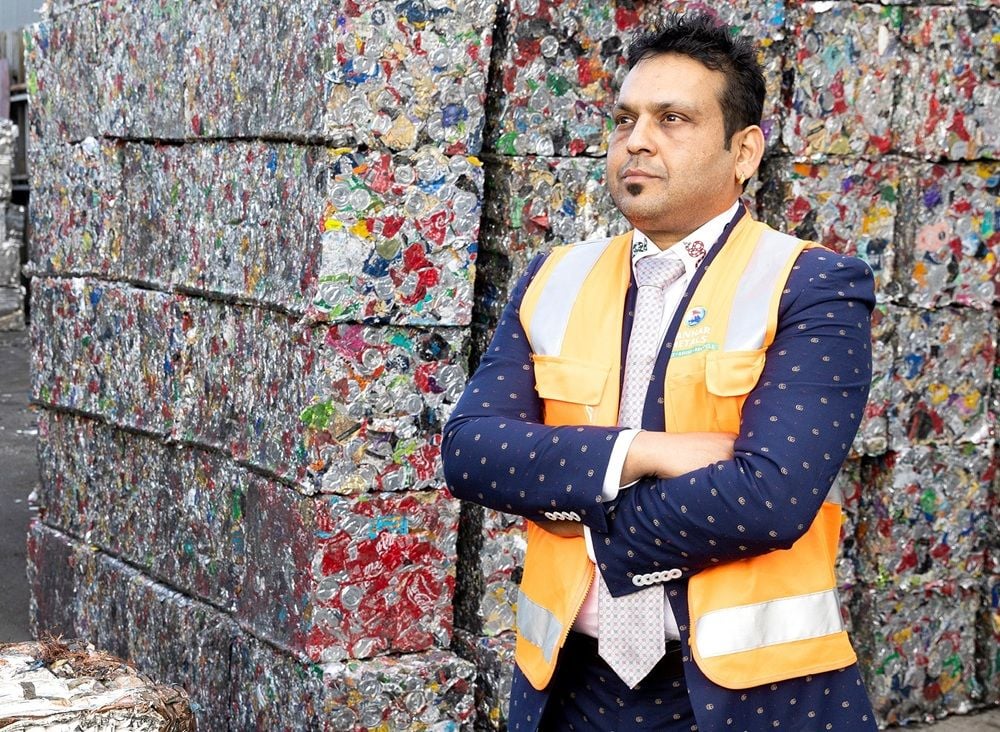
Melbourne-based scrap metal recycler Manhari Recycling has grown into one of Victoria's largest metal exporters with annual revenue of about $144 million, but the company also sees itself quietly becoming a conduit to Australia's contribution to the global manufacturing economy.
Founded in 2007 by Monash University graduate Maddy Gupta, the company processes more than 250,000 tonnes of metal annually across operations spanning nearly 5ha at sites in Tottenham, Horsham and Ararat.
Leveraging Australia's metal recovery rate of nearly 90 per cent, Manhari Recycling ships processed scrap to more than 26 countries including India, China, South-East Asian nations and parts of Europe, positioning Australian scrap metal as a feedstock for manufacturing economies across Asia and beyond.
The company argues that what Australians discard as waste has become a valuable export commodity, with scrap metal fuelling steel mills and foundries in developing economies where demand for raw materials continues to outstrip domestic supply.
“Australia is sitting on a mountain of recyclable metal that the world desperately needs," says Gupta.
"What leaves our shores as scrap often returns as the products, infrastructure and technologies we use every day."
While commodities such as iron ore, coal and agricultural products dominate headlines, Gupta says recycled metals are becoming an increasingly important part of Australia's export story.
"Many people don't realise that Australia's unwanted metal is helping power manufacturing economies across Asia and India," he says.
"These countries have enormous demand for raw materials as they continue building cities, transport networks, factories, housing and renewable energy projects."
Manhari's growth mirrors a broader acceleration in Australia's metal recycling sector with the national metal scrap market valued at $8.1 billion in 2025 and projected to reach $11.3 billion by 2034, growing at an annualised rate of 3.78 per cent, according to data from research group IMARC.
Steel accounts for 48 per cent of Australia's metal recycling market, with the construction sector representing the largest end-use category at 36 per cent.
The Australian Steel Institute notes that metals can be recycled endlessly without losing strength or quality, making scrap one of the few truly circular commodities in global trade.
The federal government's National Waste and Resource Recovery Database shows Australia recovered 66 per cent of its 75.6 million tonnes of total waste in 2022-23, up from under 50 per cent in 2006-07.
Metals achieved the highest recovery rate of any material category at 89.9 per cent, meaning nine in every 10 tonnes of metal waste generated in Australia is being recovered and redirected back into supply chains.
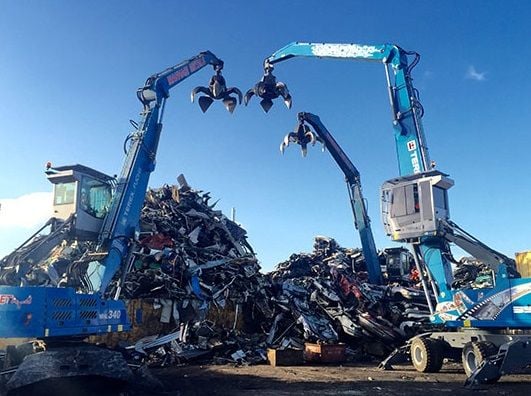
South Australia leads the nation with a 95.6 per cent metal recovery rate and if all states and territories matched that benchmark, an additional 344,603 tonnes of metal could be recovered annually.
Victoria, where Manhari is headquartered, has seen its metal recovery rate trend downward in recent years, a gap the company's expanding operations may help to address.
Since 2009, Manhari expanded from Melbourne into regional Victoria, providing collection and recycling services to businesses, councils and farmers across Shepparton, Bendigo, Ballarat, Horsham, Ararat, the Goulburn Valley and the Mallee.
Gupta says the journey of recycled metal often starts in ordinary Australian homes and businesses, from an old washing machine in Melbourne, damaged fencing in regional Victoria or obsolete machinery from a factory, which may eventually find its way into international manufacturing streams.
"People are often amazed when they learn where recycled metals end up," he says.
"A discarded appliance could eventually become part of a building, vehicle, railway system or industrial product on the other side of the world."
Gupta points out that the process represents one of the most effective examples of a circular economy in action.
"We are taking materials that have reached the end of one life cycle and enabling them to become part of another."
Australia's National Waste Policy Action Plan has set a target of 80 per cent resource recovery across all waste streams by 2030.
Metals already exceed that threshold comfortably, but other material categories including plastics and organics continue to lag, dragging the national average well below the target.
For Manhari, the export pipeline remains central to its business model.
The company collects, sorts and processes ferrous and non-ferrous metals before compacting and shipping material to overseas buyers.
Its Tottenham facility in Melbourne's western suburbs serves as the primary processing and export hub, while regional yards in Horsham and Ararat extend collection reach into western Victoria.
Gupta founded the business after identifying an opportunity to bridge the gap between Australia's abundant scrap metal generation and Asia's appetite for recycled raw materials.
The company has since expanded from a single-site operation into a multi-facility business with export relationships spanning four continents.
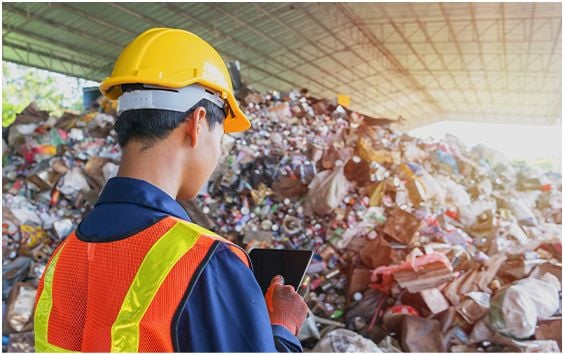
Australia's position as a net exporter of scrap metal is underpinned by a relatively small domestic steel manufacturing base compared to its waste generation volumes, creating a structural surplus that companies like Manhari channel into international markets where demand is stronger and pricing more favourable.
According to Gupta, offshore manufacturers increasingly prefer recycled metal because it offers both economic and environmental advantages.
"Many international manufacturers are actively seeking recycled materials because they help reduce production costs and environmental impact," he says.
"Demand continues to grow as sustainability becomes a higher priority across global industries."
Australia's reputation for quality and consistency makes local recycled metals highly sought after, he says.
"We have strong recycling standards, reliable supply chains and high-quality materials that international markets value.”
The federal government's 2030 resource recovery target and growing policy emphasis on circular-economy principles are expected to drive further investment in metals recycling infrastructure, with IMARC forecasting steady market expansion through the end of the decade.
As global demand for sustainable materials continues to rise, Gupta believes Australia's recycled metal sector is positioned for significant growth.
"The world is moving towards circular economies and sustainable manufacturing," he says.
"Australia has a tremendous opportunity to become a recognised leader in supplying high-quality recycled materials to global markets.
"What many Australians call scrap is actually one of our most valuable resources.
"Every old piece of metal represents an opportunity to reduce waste, support manufacturing and contribute to a more sustainable future."
)