Advertisement
Staying informed is more important than ever as the situation unfolds with Covid-19. Stay tuned here for our live updates, and be sure to let us know what your business is doing to face this unprecedented challenge.
Covid-19 News Updates
Tax on vacant properties waived in Victoria
 "Tax on vacant properties waived in Victoria")
Owners of vacant land in Victoria will not have to pay tax on their properties this year as part of the state government's sweeping pandemic relief measures.
Announced today by Victorian Treasurer Tim Pallas, the government will waive the Vacant Residential Land Tax for properties that are vacant in 2020.
The state government says the waiver is necessary considering travel restrictions and heavy lockdown measures which make property inspections impossible and leave many properties vacant that would otherwise be occupied.
Additionally, car park owners will have 25 per cent of this year's congestion levy waived by the state government.
Car park owners can also defer any outstanding balances until next year.
"We've listened to the sector and we've acted. These are small changes but they will make a big difference towards getting to the other side of this virus," says Treasurer Tim Pallas.
"These restrictions are keeping us all safe but they come at a devastating economic cost that's why we're providing billions of dollars in support to those who need it most."
Updated at 3.56pm AEST on 10 September 2020.
Inner Melbourne economy to take $23.5 billion hit from COVID-19 in 2020, PwC research shows
 "Inner Melbourne economy to take $23.5 billion hit from COVID-19 in 2020, PwC research shows")
Modelling released today shows the City of Melbourne's (CoM) economy is likely to contract by 22 per cent on pre-COVID levels this year, making it the hardest hit region in the country.
PricewaterhouseCoopers (PwC) research commissioned by the CoM estimates a $23.5 billion reduction on last year's record economic output of $104 billion, which accounted for almost a quarter of Victoria's gross state product (GSP).
A total reduction of $49 billion - or 8 per cent - is expected over five years under a scenario in line with the latest government projections, but prolonged public health measures could lead to a $110 billion fall over the period.
Under that worst case scenario considered by PwC, Victorian state-wide economic output would be $327 billion below pre-COVID projections over five years, affecting around 398,000 jobs.
The report also notes co-dependencies for the state and national economy, which have historically been driven by growth in major cities.
Overall, the CoM is expected to bear the brunt of jobs and output decline across Victoria, with the daily population in the city running at 34 per cent of 2019 daily averages.
The report also considered a scenario of a quicker and stronger recovery, under which CoM's economic output over five years would be down $41 billion with GSP down by $74 billion.
"This shows that the difference between a slower and quicker recovery over the five years is $69 billion in CoM economic output," the report stated.
"This highlights the importance of the speed and strength of recovery and cements the importance of the CoM in driving Victoria's response."
Lord Mayor Sally Capp said the city economy was booming before COVID-19, describing it as the economic powerhouse of Australia.
"The scale of the economic shock being felt across the central city is unprecedented," the Lord Mayor said.
"The modelling shows more than 22,000 jobs could be lost in our accommodation and food services sector this year alone. We can't afford to lose our world-class food, café and retail culture."
She said the new data showed Melbourne needed urgent support from the Victorian and Australian Governments to support businesses.
"We are working closely with the State and Federal governments to secure further support for businesses and investment for the city's reactivation when it is safe to do so," she said, adding her council was making a record $50 million investment in rate relief and stimulus packages to help the economy recover as quickly as possible.
A return of international students is one of the critical factors to help ensure a faster recovery, with the report highlighting how the University of Melbourne was the state's largest exporter by value last year.
"The closure of domestic and international borders has forced the deferral of thousands of international student enrolments in 2020, significantly impacting institutions like the University of Melbourne which relies on overseas student fees for 35 per cent of its income," the report stated.
"It will also impact the local economies which house these institutions, with ABS data showing for every $1 lost in university tuition fees, another $1.15 is lost in the broader economy due to student spending."
The report also emphasises inner Melbourne's historic strength in drawing tourists to the state, which received 95.5 million visitors in the year to March 2020.
"The tourism expenditure for these visitors was $31.3 billion, which amounts to spending of approximately $85.6 million per day in the State," the report stated.
"With the exception of visitors from China, the top source markets by overnight visitor spend were visitors from Victoria, New South Wales, Queensland, and South Australia, highlighting the significance of Victoria as a colourful domestic travel destination.
"The Greater Melbourne region drew 39.6 per cent of these visitors to Victoria. For international tourists, who make up only 3 per cent of visitors to Victoria but 26 per cent of tourism expenditure, Melbourne provides a gateway for arriving visitors to explore the rest of the state."
Under a scenario in line with current government projections, the City of Melbourne's accomodation, food services and retail trade is set for a 42 per cent decline in employment, compared to a 30 per cent reduction for the state.
PwC also pointed to inner Melbourne's startup economy as another strong driver of jobs growth and productivity.
"The Life Sciences and Fintech subsectors are the largest contributors to the city's startup economy, with the latter accounting for 80 per cent of key funding investment across Australia in the last financial year.
"These startups thrive in environments, such as that found in CoM, characterised by an abundance of talented founders and employees, strong investment opportunities, proximity to research organisations, universities, and corporate organisations, and a conducive policy environment.
"In aggregate, city workers produce 23 per cent more value add than the average Victorian worker. This is driven, in part, by the concentration of diverse businesses in the Melbourne CBD and Docklands precincts and the associated agglomeration economies for CoM."
Updated at 9:50am AEST on 10 September.
Deloitte reveals scale of hospitality spending slump, but retail rebounds
 "Deloitte reveals scale of hospitality spending slump, but retail rebounds")
Divergence in spending across the retail landscape means not all categories are on an equal footing, despite a strong lift in total spending volumes during June and July 2020.
As a result, there has been a wide range of growth across both categories and states, with sectors like recreational goods and liquor performing exceptionally well while spending at cafes, restaurants and catering services has plummeted.
The findings, from Deloitte's quarterly Retail Forecasts report for the third quarter, demonstrate how overall retail spending is faring better than general consumer spending.
According to Deloitte, retail volumes fell just 3.4 per cent over the June quarter, compared to a 12.1 per cent collapse in household spending.
Looking ahead, the report forecasts this positive momentum will continue into the September quarter, with retail volumes expected to bounce back by 5.4 per cent.
Even on a year-on-year basis retail spending volume are up 7.4 per cent in June compared to the previous year.
However, Deloitte Access Economics partner and the author of the Retail Forecasts report David Rumbens says while the figures look healthy on a first glance, the real story is told when broken down into categories.
"There is an enormous gulf in retail performance by sector. Restrictions have sent cafes, restaurants and catering services into a tailspin, with spending remaining over 20 per cent lower than pre-COVID levels in the month of July," says Rumbens.
"Meanwhile, with more people at home more of the time, spending on recreational goods, alcohol, electrical and electronic goods, and hardware, building and garden supplies have surged, with all posting more than 30 per cent gains in the month of July compared to pre-COVID levels.
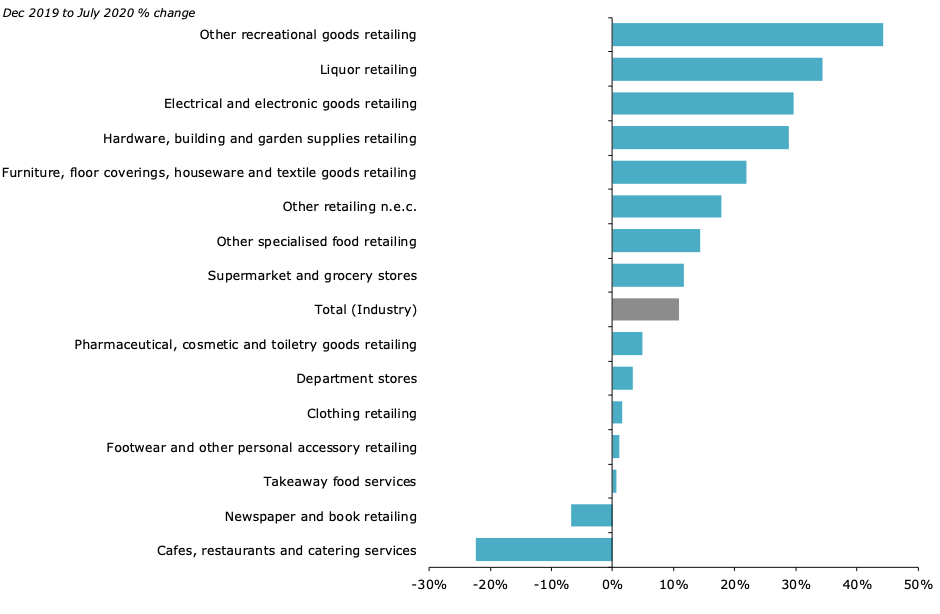
Change in nominal retail spending compared to pre-COVID levels (via Deloitte)
"And it's not just categories experiencing a divergence in spend. Victoria's second wave COVID outbreak and Stage 4 restrictions have sent the state back into a spending slump. Meanwhile retailers in Queensland and Western Australia continue to benefit from the easing of restrictions."
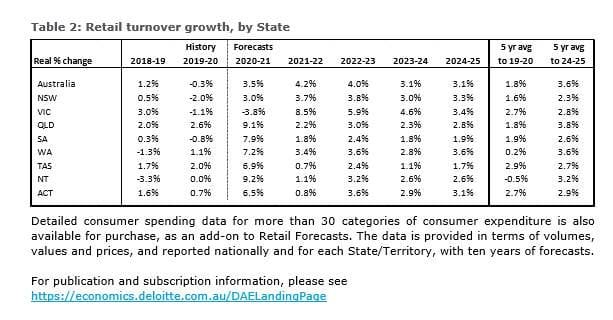
According to Rumbens the COVID-induced employment crisis has hurt take home incomes and eroded consumer willingness to spend.
This is despite fiscal stimulus resulting in more cash washing through the economy, adding 2.2 per cent on average to household disposable income.
"Unfortunately, we weren't willing to go out and spend this extra cash, with the savings rate skyrocketing to 19.8 per cent as households prepare for what they expect to be further difficult and uncertain times ahead," says Rumbens.
"Looking forward, some parts of retail are expected to take longer than others to recover. Supermarkets, specialty food and liquor, household goods, and other retailing have already exceeded December's pre-COVID spending levels for spending over a whole quarter.
"However, it is expected to take much longer for department stores, catered food and apparel to reach this benchmark."
Updated at 1.00am AEST on 10 September 2020.
Safety concerns trigger pause of AstraZeneca COVID-19 vaccine trial
 "Safety concerns trigger pause of AstraZeneca COVID-19 vaccine trial")
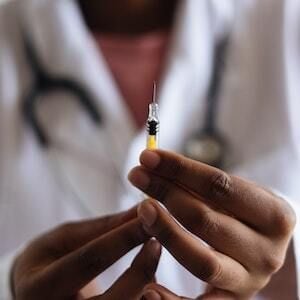
Pharmaceutical company AstraZeneca has put its late-stage trial of a potential COVID-19 vaccine on hold after a participant fell ill.
According to the British-Swedish multinational, which is working on the vaccine with Oxford University, the voluntary pause is part of its "standard review process".
The suspension, described as a "routine action", will give the company time to investigate the cause of the illness in the participant.
"This is a routine action which has to happen whenever there is a potentially unexplained illness in one of the trials, while it is investigated, ensuring we maintain the integrity of the trials," says a spokesperson from AstraZeneca.
"In large trials illnesses will happen by chance but must be independently reviewed to check this carefully.
"We are working to expedite the review of the single event to minimise any potential impact on the trial timeline. We are committed to the safety of our participants and the highest standards of conduct in our trials."
The announcement from the pharmaceutical giant comes just two days after biotechnology company CSL (ASX: CSL) announced it would be manufacturing 30 million doses of the AstraZeneca vaccine.
According to CSL, that vaccine is expected to be ready for the Australian public in early 2021. AstraZeneca has not indicated whether this pause will delay that timeline.
CSL also announced on Monday it would be producing 52 million doses of a vaccine developed by the University of Queensland if clinical trials are successful.
Updated at 10.40am AEST on 9 September 2020.
Public health alert issued for China Doll restaurant, Balmain pub shut down
 "Public health alert issued for China Doll restaurant, Balmain pub shut down")
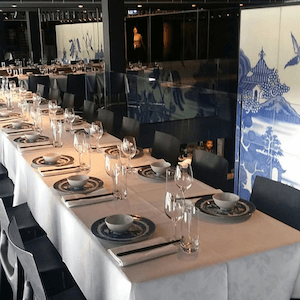
A number of new public health alerts have been issued for venues in New South Wales, including for high-end restaurant China Doll in Woolloomooloo and a golf club in Paramatta.
A pub in Balmain has also been shut down for one week after authorities determined it had repeatedly breached COVID-19 restrictions.
The alerts come after confirmed cases of COVID-19 visited the venues, with NSW Health urging other attendees to isolate for a fortnight and get tested immediately.
NSW Health says an infectious person dined at China Doll on Thursday 3 September, with a small number of patrons and staff considered close contacts. They have been directed to self-isolate and seek testing.
In addition, NSW Health says anyone who attended the following venues at the specific times are considered to be close contacts and must isolate immediately:
- Oatlands Golf Club, 94 Bettington Rd Oatlands, on Friday, 4 September, 6:30-8:45pm. Anyone who attended the Bavarian Night Dinner in the Bistro on Bettington main dining room is a close contact and should isolate and get tested immediately.
- Paperboy Café, 18 Tennyson Rd Concord, Sunday, 6 September, 10am-12pm.
Further, anyone who attended the following venues at the specified times is considered a casual contact and must monitor for symptoms of COVID-19:
- Stanhope Village Shopping Centre, including Kmart Stanhope Gardens, on Monday, 7 September, 8.30am-9.30am
- Clovelly Hotel on Saturday, 5 September,12:45-1:45pm
- Rouse Hill Town Centre, including Target Rouse Hill, on Saturday, 5 September, 12.30pm-1.30pm
- Fitness First Maroubra, 737 Anzac Parade Maroubra, on Saturday, 5 September, 8am 12pm
"NSW Health is working with Fitness First to identify people who attended the Maroubra gym that morning, and will directly advise those who are considered to be close contacts and need to get tested and isolate for 14 days," says NSW Health.
Balmain pub shut down for breaches of COVID-19 restrictions
The Unity Hall Hotel in Balmain is the first venue in NSW to be formally closed for one week after it was found to be breaching public health orders.
Authorities from NSW Liquor & Gaming found the pub was not following COVID-19 safety plan requirements while hosting two birthday parties, just one day after receiving a penalty notice for other breaches.
The venue will be closed for seven days from 5am today in addition to having been fined a total of $10,000 by Liquor & Gaming and NSW Police.
"The venue was fined $5,000 after our inspection on 5 August, where inspectors identified an out of date COVID-19 Safety Plan, inadequate sign in processes relating to not recording times of entry and digitising records, and a lack of physical distancing between chairs and tables," says Liquor & Gaming director of compliance Dimitri Argeres.
Liquor & Gaming says a penalty notice was issued for those offences on 7 August.
When police attended the pub on 8 August in response to a complaint from a member of the public they observed a private function of 32 guests who were dancing, standing and mingling while consuming alcohol.
Police fined the venue $5,000 and then referred the matter to Liquor & Gaming to consider further action.
Liquor & Gaming reviewed the CCTV which corroborated breaches of physical distancing; 10-person limits on bookings; dancing; and staying seated while consuming alcohol.
"This is the risk posed by not following the Public Health Orders and not adequately implementing COVID-safe practices. People in large groups who are known to each other are far more likely to mingle including by dancing and this increases the risk of transmission," says Argeres.
"Each person brings with them a history of interaction with others in the community which means the more people in a group, the more close contacts they are sharing across that group.
"To repeatedly not comply with the Public Health Orders poses a clear and significant risk to public health."
Updated at 9.27am AEST on 9 September 2020.
Business insolvency and bankruptcy protections extended until the end of 2020
 "Business insolvency and bankruptcy protections extended until the end of 2020")
Temporary insolvency and bankruptcy protections to assist financially distressed Australian businesses during the COVID-19 pandemic have been extended until 31 December 2020.
The Federal Government will introduce regulations to extend the temporary increase in the threshold at which creditors can issue a statutory demand on a company, as well as the time companies have to respond to demands they receive.
In addition, the changes will extend the temporary relief for directors from any personal liability for trading whilst insolvent.
"The extension of these measures will lessen the threat of actions that could unnecessarily push businesses into insolvency and external administration at a time when they continue to be impacted by health restrictions," Federal Treasurer Josh Frydenberg and Minister for Industrial Relations Christian Porter said in a joint statement.
"These changes will help to prevent a further wave of failures before businesses have had the opportunity to recover.
"As the economy starts to recover, it will be critical that distressed businesses have the necessary flexibility to restructure or to wind down their operations in an orderly manner."
Updated at 12.39pm AEST on 7 September 2020.
CSL to manufacture UQ and Oxford COVID-19 vaccines for Australia
 "CSL to manufacture UQ and Oxford COVID-19 vaccines for Australia")
Biotechnology giant CSL (ASX: CSL) will manufacture more than 80 million doses of COVID-19 vaccines for supply in Australia, slated for release in 2021.
The manufacture and supply agreements are contingent on the success of clinical trials at both the University of Queensland and Oxford University where the vaccines are being developed.
Once trials are complete, the deals will see 52 million doses of UQ's vaccine made by CSL for Australia, plus 30 million doses of the Oxford vaccine.
First doses of the UQ vaccines are scheduled for release in mid-2021, while Oxford's would be ready in early 2021.
UQ is currently undertaking Phase 1 clinical studies on its vaccine to assess how safe it is in healthy human volunteers.
"The social and economic impact of the COVID-19 pandemic has brought a high level of urgency to the task of developing a vaccine against the SARS-CoV-2 virus, and to manufacture a successful vaccine at high quality and in sufficient quantities," says CSL CEO and managing director Paul Perreault.
"CSL has been working at pace to respond to the pandemic and has invested significant resources in the rapid development and large-scale manufacture of UQ-CSL V451, along with a number of other therapeutic programs.
"Together with partners including the University of Queensland and Coalition for Epidemic Preparedness (CEPI), our development and manufacturing teams have been working extremely hard to advance this program to ensure the availability of a safe and effective vaccine should clinical studies prove successful."
Perreault says results from the pre-clinical and early clinical studies for UQ's vaccine are promising, but he notes it is impossible to predict the level of success the university will have in late stage trials.
"CSL's focus is to produce a safe and effective vaccine," says Perreault.
"It is important that on completion of clinical trials, the public has confidence in UQ-CSL V451, which makes use of the well-established recombinant protein technology platform, and Seqirus' proprietary adjuvant MF59, which has an extensively safety track record in humans."
Shares in CSL are up 0.30 per cent to $279.89 per share at 10:57am AEST.
Updated at 11.19am AEST on 7 September 2020.
Victorian cases lowest since June
 "Victorian cases lowest since June")
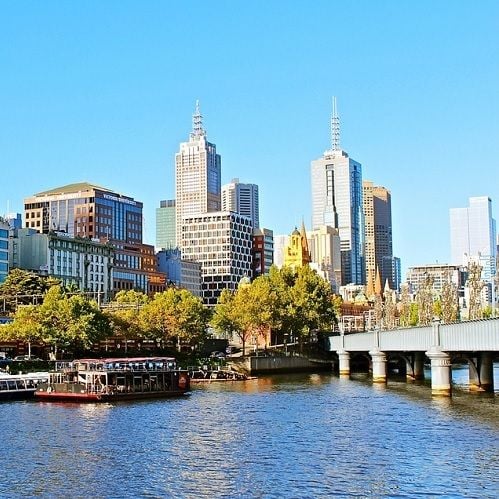
Victoria has today recorded its lowest daily case rate in more than two months at 41, reaching a level in line with conditions for the staged relaxation of restrictions planned for later this month.
The state's Department of Health and Human Services (DHHS) announced the encouraging figures for the past 24 hours this morning, although it also reported nine lives were lost.
The last time Victoria reported a lower daily case rate was on 27 July with 40 new cases, of which 15 were from unknown community sources.
That proportion of unknown sources, which is more worrying for epidemiologists as they attempt to get on top of the virus, was in stark contrast to the last two days when all cases were from known sources.
Premier Daniel Andrews says the fall in numbers shows the strategy is working, and the goal is to drive them down further so that when the state opens up in slow and steady steps, it can stay open.
"To go from 725 cases to 41 cases in a month, that demonstrates to you that this strategy is working. The sacrifices that we are making, all of us, are worth something. I want that to count and that's why we simply can't open up as quickly as everyone would like us to," he said.
"I'm grateful, I'm proud of every single Victorian and the work that they're doing - without that, we simply can't keep driving these numbers down. Please get tested if you've got any symptoms, and please look out for each other. These are difficult times."
It is a cautious approach that Premier Andrews will help give Victorians not just a sense of normality when the state opens up, but one that is lasting and can be defended throughout 2021 until a vaccine is available.
Victoria currently has 1,781 active cases, with 266 people in hospital of whom 25 are in intensive care, and out of that group 17 are on ventilators.
Updated at 9:22am AEST on 7 September 2020.
Melbourne Stage 4 lockdown extended by two weeks, easing roadmap unveiled
 "Melbourne Stage 4 lockdown extended by two weeks, easing roadmap unveiled")
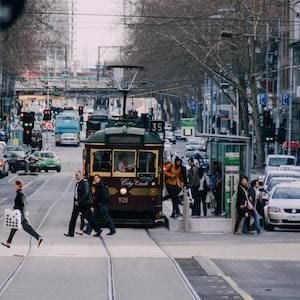
With new daily cases of COVID-19 still above 60 in Victoria, Stage 4 lockdown restrictions in metropolitan Melbourne will be extended for two weeks before the state cautiously eases into a new normal.
As such, current Stage 4 lockdowns will be in place until 28 September, subject to public health advice.
But after that date Victorians will slowly move out of heavy COVID-19 restrictions, with an aim to reach the final step on the roadmap from 23 November.
According to Premier Daniel Andrews, the decision to extend Stage 4 was made with reference to extensive modelling which demonstrated that a third wave of COVID-19 was inevitable if restrictions were eased too fast.
"This is not a 50/50 choice. The modelling...indicates that if we open up too fast then we have a very high likelihood that we're really opening up at all, we're just beginning a third wave," Andrews said.
"We will be back in and out of restrictions, in and out of lockdown before the end of the year. Indeed, potentially, well before the end of the year.
"We can't run out of lockdown; we have to take steady and safe steps out of lockdown to find that COVID normal."
During the two week extension of Stage 4 in Melbourne restrictions will be changed somewhat to accommodate those living alone.
From 11.59 pm on 13 September the curfew will be expanded to 9pm instead of 8pm in recognition that the days are getting longer as Victoria heads into the warmer months.
Additionally, exercise will be permitted for two hours per day, and social bubbles will be allowed to accommodate those who live on their own and have been socially isolated for a long period of time.
Playgrounds will reopen and public outdoor gatherings of two people will be allowed.
Restrictions to be eased from 28 September
Subject to health advice, and if Melbourne is only recording between 30 to 50 new cases of COVID-19 per day at the time, restrictions will be eased further from 28 September.
At that time public outdoor gatherings can increase to up to five people from two households, and school will return for students in prep, grade 1 and grade 2.
More workplaces will be allowed to reopen at that time (particularly the construction industry), outdoor pools will reopen, outdoor personal training will be allowed, and outdoor religious gatherings of up to five people will be permitted.
From 26 October the 9pm curfew will no longer apply, Melburnians will be able to leave home for any reason and for any distance, and public outdoor gatherings of up to 10 people will be allowed.
Additionally, visitors to homes will be permitted of up to five people from another nominated household.
Retailers and hairdressers will also be allowed to reopen, hospitality will recommence with outdoor seated service, and non-contact adult sport will make a staged return.
The final step of the roadmap will begin from 23 November and will see gathering sizes increase and most of the economy able to operate under COVID-19 guidelines.
As such, public outdoor gatherings will be allowed for up to 50 people, and visitors to the home will be allowed with up to 20 people at a time.
Hospitality services will be mostly back online, with seated indoor service of up to 20 people.
Real estate operations will recommence, and weddings and funerals will be allowed with up to 50 people.
"We would all like to reopen up as quickly as possible. We would all like to find that COVID normal or indeed go back to actual normal as soon as possible, but that is not the nature of this virus," Premier Andrews said.
"You can't run out of lockdown, because all you're doing is running into a third wave and we'll all be locked up again.
"I want a Christmas that is as close to normal as possible, and this is the only way."
Because the state's COVID-19 cases are predominantly being detected in metropolitan Melbourne, regional Victoria will be able to move along the easing roadmap faster.
As such, the state's regions, currently in Stage 3 restrictions, will be able to jump to the second step of reopening from 11.59pm on 13 September.
Today's announcements came as Victoria reported 63 new cases of COVID-19 today and just five deaths attributed to the virus.
There are 283 people in hospital because of COVID-19 in Victoria, with 16 people on a ventilator.
Updated at 1.05pm AEST on 6 September 2020.
All but WA agree to December border opening goal, NZ hotspot plan in the works
 "All but WA agree to December border opening goal, NZ hotspot plan in the works")
The vast majority of Australia's states and territories have today agreed on ambitions to lift border restrictions and reach Stage 3 of the Federal Government's COVID-safe roadmap by December.
In addition, the hotspot approach to facilitating or restricting free movement between states and territories may be expanded to New Zealand, allowing Trans-Tasman tourists to visit Australia.
The agreements were made during today's National Cabinet meeting, which saw every state and territory except Western Australia coming to a consensus; the latter avoiding a set deadline due to its success so far in combatting the virus and avoiding recession.
Essentially, this means by Christmas every state and territory border would be open (potentially excluding WA's border), gathering sizes would be increased to 100, and more staff would be back in the workplace.
Prime Minister Scott Morrison says the country is in a very different position to where it was back in March when the roadmap was unveiled, but he is hopeful life will soon return to a semblance of normality.
"Now, almost six months later, all the states and territories sit in a different position and they're coming from a different point of risk," Morrison said.
"So we've agreed today, seven out of eight states and territories, that before what you know what you've got to do, you've got to agree where you're going to.
"We said before we wanted to get there in July and the virus prevented us from achieving that, but seven out of eight states wants us to get back to that position in December of this year."
Morrison clarified he understood and respected Western Australia's unique position, emphasising the National Cabinet process meant "the door is always open" should the state change tack.
Therefore, while WA is not joining the rest of the country on agreeing to the December date for open borders, it will engage with the states and territories on a case by case basis at a later time.
WA Premier defends stance, highlighting "gangbusters" economy thanks to hard border
Following the PM's press conference, WA Premier Mark McGowan has clarified his government and health authorities' rationale for the decision.
He notes the state's ongoing position is supported by the findings of the Federal Court, which ruled in its favour against the hard border challenge brought by Clive Palmer.
The court deemed a hotspot approach would be less effective than Western Australia's hard border measures in preventing the spread of COVID-19.
"Today at National Cabinet we discussed border controls at length. It was a productive discussion but I made it clear that Western Australia would not be agreeing to a hotspot model or hotspot definition which replaces our successful border controls," Premier McGowan says.
"A date will be set when our health advice recommends it, but that might be some time away.
"We've been through this before, and then Victoria happened. Opening and closing borders just causes more confusion, and it isn't a good outcome for the state's economy."
He emphasises WA is not in a recession like the rest of the country, and opening the borders prematurely could lead to "economic devastation", not to mention more deaths from the virus.
"WA does not have border communities so we don't face the associated social disruption seen on the Eastern Coast. In WA we have positive economic activity, business confidence is buzzing, and retail trade is increasing and businesses are hiring," he says.
"WA's housing and construction market is responding well to stimulus measures. It's going gangbusters. Weekly land sales have reported a sharp increase with the introduction of housing grants - more homes are being built, the building pipeline has increased by more than 75 per cent between late April and mid-August.
"Retail figures for July were released today and they show in WA retail trade grew by 3.8 per cent, and by 6.2 per cent in annual average terms; the best result in seven years."
After 146 days with no community transmission cases and just two remaining active cases in the state, McGowan says the "island within an island" approach gives him confidence, but it also brings consequences for families who haven't seen each other for a long time.
"I feel for those people. I also cannot see my mother and father, and my brother in New South Wales, but I want to thank so many people for their understandings and commitment to doing the right thing as we monitor the situation," he says.
Hotspot approach may extend to New Zealand
With all state and territory chief health officers in agreement about what constitutes a 'hotspot' under a broad definition, PM Morrison says he is working to bring New Zealand in on the approach.
This could mean that if New Zealand is not designated as a hotspot, states and territories could allow tourists from our neighbouring island to visit.
"When we're in a position to do so, and when the acting Chief Medical Officer has come to a set of arrangements with New Zealand, then we would be able to have New Zealanders come to Australia," says Morrison.
"That doesn't mean Australians can go to New Zealand - that's a matter for their Prime Minister - but if there's no COVID in Christchurch and there's no COVID in Queensland then there's no reason both of them can't come to Sydney.
"That will mean an important boost for our tourist economy, whether it's in New South Wales or anywhere else."
Further, bringing New Zealand into the program would take the pressure off states like New South Wales in accommodating Australians returning from overseas.
"New South Wales have had to do the heavy lifting on [hotel quarantine]," says the PM.
"The idea that New Zealanders do not have to go into quarantine, because they come in from COVID-free areas, will also free up space.
"Equally, if states are requiring Australians come in from areas where there's not COVID cases like the ACT, and they don't have to go into hotel quarantine places, well that obviously frees up more capacity."
Agriculture Workers Code adopted by most states and territories
Five out of the eight states and territories have agreed to adopt the proposed Agriculture Workers Code, with just QLD, WA, and TAS declining to join.
The code, designed to ensure border closures do not diminish Australia's food production and supply chains, will be immediately put into place in SA, NSW and VIC.
"They will begin immediately to put that prescriptive code in place to facilitate a greater engagement of agricultural workers and other important workers in the agricultural sector, so as not to dislocate what is occurring in the ag sector between those three states and territories," says Morrison.
Updated at 2.27pm AEST on 4 September 2020.
Advertisement
Latest News
From $13,000 to $20 million: how a PCOS diagnosis and a pair of scissors built Xali Organics
Inspired by a medical diagnosis and driven by innovative marketing,...
Cedar Woods secures $63.4m in new land acquisitions as record presales underpin pipeline push
Perth-headquartered residential developer Cedar Woods Properties (A...
Australia's long-term beer decline hits home as Lion plans to close Boag's brewery in Launceston
Australia's decades-long decline in beer consumption has claime...
Downer EDI seals $310m Transurban contract to maintain Sydney motorway network
Infrastructure services group Downer EDI (ASX: DOW) has secured con...
Propel Funeral Partners expands New Zealand footprint with trio of acquisitions worth $9.1m
Sydney-based death care provider Propel Funeral Partners (ASX: PFP)...
Advertisement