Advertisement
Staying informed is more important than ever as the situation unfolds with Covid-19. Stay tuned here for our live updates, and be sure to let us know what your business is doing to face this unprecedented challenge.
Covid-19 News Updates
Helloworld sales plummet 95 per cent
 "Helloworld sales plummet 95 per cent")
After losing almost $400 million in market capitalisation since the start of the year, tourism deal provider Helloworld (ASX: HLO) has today revealed a clearer picture of the damage wrought to its business by COVID-19.
The massive hit of border closures and social distancing have meant revenues from travel sales and operations are now at 5 per cent of their previous levels before the crisis.
It's a state of affairs the Melbourne-based company expects will continue until at least September.
But at the same time the company has managed to drastically cut its net monthly operating expenditure from $23 million to $2 million, largely the result of standing down 1,050 staff around the world.
Helloworld had initially planned to stand down 1,300 people and make 275 redundancies, but the JobKeeper package in Australia and the Wage Subsidy allowance in New Zealand appear to have softened the blow of a paralysed travel market.
"Since the introduction of JobKeeper in Australia, the Company has been able to re-engage with employees and as at today, HLO has over 560 personnel working in the business in Australia, New Zealand and elsewhere, many on reduced hours," the company said.
Despite this improvement, revised office rental terms and revisions to other contractual arrangements with commercial partners, Helloworld expects to incur cash losses of $1.5-2 million per month for the next six months, moving to a break-even position in Q2 FY21 and towards a small profit in the second half of FY21.
Investors were encouraged by the prediction, with shares rising 3.72 per cent to $1.81 each this morning.
The group has $150 million in total cash on hand plus $10 million worth of existing debt debt facilities, while HLO will also be among trying to claw back $3.7 million owed by Virgin Australia (ASX: VAH), now in voluntary administration.
Helloworld also announced it expects to see the reopening of the domestic travel market by September 2020 and of the trans-Tasman markets in October or November 2020. This follows recent announcements from Emirates and Etihad that it could take until 2023 for passenger demand to return to pre-crisis levels.
"HLO does not expect mid to long haul international outbound travel in the corporate or leisure markets to resume with any material volume until 2021 and a full return to past levels will be conditional upon a vaccine or cure for COVID-19 having been developed and widely distributed," the company said.
"HLO has sufficient liquidity to maintain operations for a period of 12 months or longer and is not intending to undertake a capital raising at this point in time.
"HLO and members of our agency networks in Australia and New Zealand are processing tens of thousands of refunds for travel booked with our supplier partners. Helloworld and its member agencies are charging the agreed cancellation fees at the time of the original booking."
Updated at 11:06am AEST on 1 May 2020.
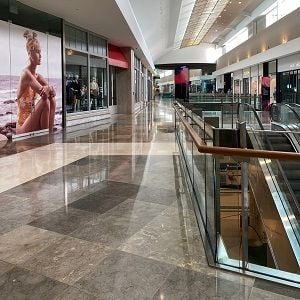
Retailers and workers develop COVID-19 retail recovery protocol
 "Retailers and workers develop COVID-19 retail recovery protocol")
The same organisations that pioneered the commercial tenancies code have today announced a Retail Recovery Protocol for COVID-19, with backing from the country's largest private sector trade union.
The protocol is designed to give confidence to the community that retailers and shopping centres will continue to follow stringent public health guidelines as current restrictions are gradually eased.
It is a document that was jointly developed and agreed upon by the Shopping Centre Council of Australia (SCCA), the National Retail Association (NRA), the Shop Distributive and Allied Employees Association (SDA), the Pharmacy Guild of Australia (PGA) and the Australian Retailers Association (ARA).
Key principles guiding the consistent, practical and public health-led document include prioritising public health and safety to protect people against infection, compliance with public health guidelines, working with governments and public health authorities, and helping to prevent the spread of COVID-19.
Based on the 'limits on public gatherings' announced by National Cabinet in late March, the Protocol outlines 10 key actions that retailers and shopping centre could take:
- Making alcohol-based hand sanitiser at key locations such as store entrances, buildingentrances, customer service desks and food courts.
- Increasing frequent cleaning and disinfecting of regularly used objects and hard surfaces (e.g. payment registers, ETFPOS machines, hand-rails, bathroom door handles, shelves, shopping trolleys, counters and benches, food-court tables, staff-rooms) and other key hygiene measures (e.g. waste disposal).
- Facilitating and encouraging social distancing guidelines in accordance with Government or public health authority directions, which is currently a distance of 1.5m. Actions could include signage 'reminders', one-way queueing, and ground markings (e.g. stickers or tape) for queueing.
- Ensuring public gathering limits in accordance with Government direction are adhered to, which is currently no more than one person per 4m2 in stores (inclusive of staff), can be maintained. Actions could include regulating access points, monitoring customer counts at relevant entrances, and displaying signage.
- Promoting contactless transactions such as 'tap and go' instead of cash for payments, facilitating distancing at counters and benches, and staff wearing disposable gloves when they are handling objects and money.
- Monitoring and encouraging customer adherence to relevant public health guidelines by security guards and other personnel, which may also include Police visits to shopping centres.
- Continuing to focus on the community's access to essential services such as supermarkets, pharmacies and health and medical facilities, especially for vulnerable people.
- Daily check-ins with employees on their well-being, ensuring employees and contractors are properly trained and have access to relevant information and personal protective equipment (PPE). These check-ins will include monitoring customer behaviour to ensure retail workers are being treated with respect - abusive and violent behaviour towards retail workers will not be tolerated.
- Fostering open and frequent communication between shopping centre management and retailers, including to alert each party to any Government or public health authority directive, to assist authorities when required, and continue to release information and guidance to employees and customers about good hygiene advice.
- Maintaining relevant essential safety measures such as air-handling systems, exit doors, emergency power supply, smoke alarms, sprinkler systems and fire-isolated stairs.
The SCCA, NRA, SDA, PGA and ARA have also called on Australians to treat retail workers with respect while they continue to serve and ensure the community can access essential and other retail goods and services.
"As more people return to shopping centres, we want to assure the community our industry is working hand-in-hand to ensure that strict public health guidelines are followed and that we provide a safe, healthy and secure environment," says Shopping Centre Council CEO Angus Nardi.
"Retailers have made an enormous effort to protect staff and shoppers, working tirelessly to create a safe and healthy in environment through the lockdown period and now as most businesses prepare to reopen and serve their customers," adds Australian Retailers Association CEO Paul Zahra.
"This protocol provides the clarity and consistency that retailers are looking for at this time around best-practice."
National Retail Association CEO Dominique Lamb says as more retail stores start to reopen, which will see a surge in customer demand, the community should have confidence their health and safety is a priority for retailers including how they purchase goods and interact with staff.
Shop, Distributive and Allied Employees Association national secretary Gerard Dwyer highlights the importance of protecting retail workers and customers.
"As retail workers continue to be on the front-line serving the community, it is critical that they have a safe working environment and that public health protocols are in place to protect them and their customers," says Dwyer.
"We will continue to work closely with the shopping centre industry to ensure a united and collaborative approach," adds Pharmacy Guild of Australia national president George Tambassis.
Updated at 10:01am AEST on 1 May 2020.
NT to relax gathering restrictions from Friday, sets date for restaurant reopenings
 "NT to relax gathering restrictions from Friday, sets date for restaurant reopenings")
Some gathering restrictions are set to be relaxed in the Northern Territory over the next two months, with the first stage of adjustments to come into play from Friday 1 May.
The move by the NT Government makes the Territory the first jurisdiction in Australia to commence relaxing restrictions.
From noon this Friday stage one set of adjustments will start allowing Northern Territorians to engage in simple and safe outdoor activities where physical distancing can be maintained at all times.
This includes:
- Personal gatherings including outdoor weddings and funerals.
- Playgrounds, parks and campgrounds outside biosecurity areas.
- Public swimming pools, lagoons and water parks.
- Outdoor sports where physical distancing can be maintained including golf and tennis as well as training outdoors.
- Go fishing, boating, and sailing with other people.
From noon on Friday 15 May further restrictions on visiting bars, public indoor spaces, and shopping centres will be relaxed including:
- Shopping centre food courts.
- Restaurants, cafes, and bars for the consumption of food excluding gaming areas.
- Organised outdoor training activities for sport teams without physical contact.
- Beauty therapy salons for non-facial services such as nails, massage and tanning.
- Gymnasiums.
- Public libraries.
- Places used for religious worship including indoor weddings and funerals.
To reopen a venue in the NT a COVID-19 safety plan must be completed, and health officers will be conducting compliance checks.
From noon, Friday 5 June, the two-hour time limit will be removed and restrictions will be eased on further indoor activities, including:
- Officiating, participating and supporting the playing of team sports such as football, basketball, soccer and netball
- TABs, and all licensed gaming venues.
- Any cinema or theatre, concert hall, music hall, dance hall, nightclub or any other similar entertainment venue in approved configuration.
- Previously restricted services at a place that provides beauty therapy, and/or cosmetic services including facial care.
- All businesses, facilities and services previously restricted can now resume ensuring adherence to key principles.
By 5 June all Territory businesses, services, facilities and organisations should have their own COVID-19 Safety Plan.
The decision to relax restrictions comes as the Northern Territory has not reported a new case of COVID-19 since April 6 and has the lowest number of cases out of any state or territory in Australia.
There have been 28 confirmed cases of COVID-19 in the Northern Territory since the outbreak began, with only three active cases remaining in the territory.
Updated at 3:21pm AEST on 30 April 2020.
Active COVID-19 cases fall to zero in ACT
 "Active COVID-19 cases fall to zero in ACT")
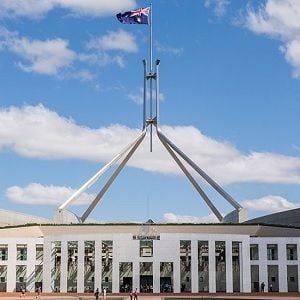
The Australian Capital Territory (ACT) has achieved a national milestone today after announcing it no longer has any known active cases of COVID-19.
Since the pandemic began the territory has had three deaths from the coronavirus, but the remaining 103 people who tested positive have now recovered and have been released from self-isolation.
ACT Chief Health Officer Dr Kerryn Coleman welcomes the news but cautions the community that the pandemic is still ongoing.
"Today marks the first time in seven weeks our territory has no active cases of COVID-19 and this is because of the strong work the community is doing to stop this virus," says Dr Coleman.
"I want to thank you for practising physical distancing and making these huge changes to your daily life. Today's news is exactly why we have put these measures into place.
"However, it is important to stress that we should still protect the good work we have done. Please continue to follow ACT Health directives and practise good hygiene as we continue help fight this virus together."
She says tomorrow will mark one week since the territory government expanded testing criteria to help get a better view of the situation in the community.
"Even though we have no active cases at the moment, it's vitally important that we continue testing as many people with symptoms as possible to know the most accurate representation of COVID-19 within the ACT community," she says.
"I ask everyone who is showing symptoms, or believes they may have symptoms, to get tested as soon as possible at either the drive through testing facility at the EPIC Showground, at the walk-in clinic at Weston Creek, or by contacting their general practitioner.
"We are in an excellent position in the ACT and we have the capacity to test anyone who has symptoms, regardless of if they were in contact with people who had COVID-19 or not."
All people who are tested are required to self-isolate until they receive a negative test result.
The news comes after South Australia yesterday reported no new daily cases of the virus for the seventh straight day. This has been followed up today with another day of no new cases in the state.
"There's 438 cases of COVID-19 that have been diagnosed in South Australia, but only 14 active cases - 96 per cent of people have recovered," says SA Chief Public Health Officer Nicola Spurrier.
"We have no patients now in South Australia in intensive care. There are three people in hospital and that's one less than yesterday."
No new cases were reported today in Queensland, Western Australia or the Northern Territory, where the territory government has set the wheels in motion for easing restrictions with a roadmap to recovery. One new case has been reported in Tasmania today, along with seven in Victoria and two in NSW.
There are now 944 reported active cases of COVID-19 in Australia, while 5,717 have recovered and 91 people have died as a result of the virus.
Updated at 2:58pm AEST on 30 April 2020.
Mesoblast ramps up trials for COVID-19 treatment
 "Mesoblast ramps up trials for COVID-19 treatment")
A regenerative medicine company from Melbourne was in the limelight last week after its treatment addressing the leading cause of death from COVID-19 infections led to a "remarkable" reduction in mortality amongst a small group of patients in New York.
Mesoblast's (ASX: MSB) stem cell treatment from bone marrow aspirate allowed nine (75 per cent) out of 12 patients suffering from acute respiratory distress syndrome (ARDS) to come off ventilators, compared to an average rate of 9 per cent for hospitals in the city.
Now the company is taking its trials of the stem cell therapy remestemcel-L up a notch after announcing a a Phase 2/3 randomised, placebo-controlled trial across more than 20 medical centres in the US.
Enrolments have begun with plans to bring 300 patients into the trial within three to four months, although interim analyses are planned which could result in stopping the trial early for efficacy or futility.
"There are limited treatment options for ventilator-dependent patients with acute respiratory distress syndrome, the principal cause of mortality in COVID-19 infection," says Mesoblast chief executive and founder Silviu Itescu.
"Based on the encouraging initial results of remestemcel-L treatment under emergency compassionate use in New York, there is an urgent need to execute this robust randomised placebo-controlled trial in order to definitively determine whether this cell therapy can reduce the mortality of patients with COVID-19 ARDS on ventilators."
UQ COVID-19 vaccine shows "potent protective response" in early tests
Patients in the trial will receive either two intravenous infusions of remestemcel-L within five days or placebo on top of maximal care. Two key outcomes to be measured will be rates of all-cause mortality and the number of days off ventilator support.
"The promising initial results using remestemcel-L in the emergency compassionate use protocol create an imperative for an appropriately-sized definitive randomised controlled trial," says Mesoblast chief medical officer Dr Fred Grossman.
"We believe the central mechanism by which remestemcel-L modulates the inflammatory process provides a compelling rationale between these results in COVID-19 ARDS and other inflammatory conditions where the cell therapy has shown clinical benefits."
The trial will be conducted in collaboration with the Cardiothoracic Surgical Trials Network, which was established by the United States National Institutes of Health's National Heart, Lung and Blood Institute as a flexible platform for conducting collaborative trials.
Mesoblast holds an Investigational New Drug (IND) application cleared by the United States Food and Drug Administration (FDA) for use of remestemcel-L in the treatment of patients with COVID-19 ARDS, and will provide investigational product of remestemcel-L for the trial."
Related story: Mesoblast treatment achieves "remarkable" results for critical Covid-19 patients
Updated at 11:16am AEST on 30 April 2020.
Woolworths Group flags $340m hit from COVID-19 costs and pub closures
 "Woolworths Group flags $340m hit from COVID-19 costs and pub closures")
After Coles Group (ASX: COL) reported a a 12.9 per cent rise in third quarter sales yesterday, rival grocery and drinks purveyor Woolworths Group (ASX: WOW) has reported a similar jump in the first three months of 2020.
Woolworths reported an 11.3 per cent rise in sales to $11.17 billion for its Australian supermarkets, while the percentage increase was even more pronounced for its Countdown stores in New Zealand, up 14.8 per cent at $1.93 billion.
After a slow start to the quarter, the company's Endeavour Drinks business - known for such brands as Dan Murphy's and BWS - saw very strong sales growth in March as Australians drowned their sorrows in response to the crisis.
But the boom times have come at a cost which is unlikely to go away any time soon, while sales across the group have moderated in April with food sales growth in the mid-single digits and drink sales growth back to pre-coronavirus levels.
WOW has today flagged incremental costs of $220-275 million for the fourth quarter relating to the temporary employment of approximately 22,000 new team members, additional warehouse capacity, and scaling up online, as well as ongoing security, cleaning and personal protective equipment (PPE) costs.
The group's hotels business has taken a hit as well after social distancing rules meant licensed venues needed to be shut down. WOW expects its 500-plus hotels will continue to run at a total monthly loss before interest and tax of $30-35 million, as they have been in March and April as well.
If pubs remain closed for May and through June, this would equate to a loss of at least $120 million, taking the total negative hit from COVID-19 to $340 million for FY20 in a best case scenario.
Woolworths Group CEO Brad Banducci says the last four months have been one of the most challenging periods in the company's history.
"Our team is doing an incredible job of responding to these unprecedented challenges and I want to thank them for their amazing efforts," he says.
"I am proud of the way we have all supported each other with humanity and a commitment to doing the right thing. The COVID-19 crisis is far from over, but we are hopeful that we are now settling into a 'new normal' and are confident that we will get through this together.
"Group sales growth for the quarter was strong across all businesses apart from Hotels following the mandatory closure due to Government restrictions in late March."
He says pantry loading and consumers eating more at home have been the drivers of material increases in food sales since late February.
"Endeavour Drinks sales also surged towards the end of the quarter. While already trading well in January and February, BIG W's sales growth also accelerated in March, although the sales mix shifted towards lower-margin everyday needs and leisure.
"Sales and safety were supported by a material cost investment in team hours, supply chain and personal protective equipment (PPE).
"Our team have played a critical role during these unprecedented times and while the outlook for the rest of the financial year is uncertain, we remain in a strong operational and financial position."
The group also announced three Big W stores had been closed in the quarter as part of an ongoing restructuring of the discount change, while the AFR reported yesterday suppliers were told a fourth store would be closed at Calamvale in Brisbane.
Updated at 10:04am AEST on 30 April 2020.
WA prepares hospitality for return to business
 "WA prepares hospitality for return to business")
The path back to reopening cafes, restaurants, venues and bars seems shorter than ever in Western Australia with the announcement of a mandatory COVID-19 hygiene training course.
Once restrictions are lifted the state government will only allow hospitality businesses to reopen if every employee has successfully passed assessment.
Based on state and federal health directives regarding COVID-19, the 'AHA Hospitality & Tourism COVID-19 Hygiene Course' will see employees understand COVID-19 and venue restrictions and learn about how to avoid cross contamination and effective cleaning & sanitising procedures.
The course is two-tiered, with all staff required to successfully complete the first component, and managers and supervisors required to complete the second, more advanced aspect.
Every venue must have a staff member with more advanced accreditation on shift at all times, as the venue's dedicated hygiene officer.
Businesses will also have to display signage that the venue is compliant with all conditions.
Tier 1 of the course is available for completion now via www.hospitalityhygiene.com.
The more advanced second tier will be made available on Wednesday, May 6, 2020.
WA Premier Mark McGowan says this course will ensure businesses are prepared for reopening and are safe for customers to visit.
"While we're not there yet, we need to make sure our businesses are prepared," says McGowan.
"This mandatory, specialised course will ensure that every single worker employed at a WA hospitality business has the skills and knowledge to protect themselves, their colleagues and their customers from COVID-19.
"WA has experienced some encouraging results of late because we're doing all we can to combat the virus and this Government will continue to do our best in supporting the local economy as we work towards a recovery."
Western Australia reported just one new confirmed case of COVID-19 today, bringing the state's total to 551.
Updated at 4:47pm AEST on 29 April 2020.
PM says COVIDSafe app "the ticket" to easing restrictions
 "PM says COVIDSafe app \"the ticket\" to easing restrictions")
Every Australian is familiar with "Slip! Slop! Slap!" to stay sun-safe when they want to go outside. Now Prime Minister Scott Morrison wants the public to view the COVIDSafe app in the same way if they want to see the sunlight of a liberated economy.
The PM has today thanked the 2.8 million Australians who have so far downloaded the COVID-19 tracing app, claiming its downloads will be "the ticket to ensuring that we can have eased restrictions".
To be effective, around 40 per cent of the population needs to use the app, or around 10 million people.
"I'd ask for millions and millions and millions more to do the same thing - this is an important protection for a COVID-safe Australia," the PM said in a press conference this morning.
"If you downloaded the app, thank you very much. Convince two or three more people that haven't downloaded the app to do the same thing."
"I would liken it to the fact that if you want to go outside, when the sun is shining, you've got to put sunscreen on. This is the same thing; Australians want to return to community sport, you want to return to a more liberated economy and society."
He said claiming success after "just having a low number of cases" would not be good enough, and the country still needed to have the protections in place to enable Australians to go back to "as normal a life and economy as possible".
"We don't want to just win the battle against COVID-19 but lose the broader conflict when it comes to our broader economy and the function of our society. That's why we remain focused on the road ahead."
He added more than 800,000 JobSeeker claims have now been processed, and is likely to be well over that by the end of today.
The Prime Minister's plea to get Australians using COVIDSafe comes as 15 new cases of COVID-19 are confirmed nationally, bringing the total number of confirmed cases to 6,744.
There has been one new death (89 in total) and 10 recoveries confirmed today, meaning 5,640 people have recovered from the coronavirus.
Mental health update
A national mental health crisis has also been flagged today, with National Mental Health Commission CEO Christine Morgan saying there has been a spike in distress and anxiety levels across the population.
This is exemplified by a 40 per cent increase in contacts to mental health organisation Beyond Blue.
Despite more Australians reaching out to these types of organisations Morgan says there has actually been a decrease in the use of mental health services overall, which can be attributed largely to Australians being reluctant to leave the house to visit a psychologist or psychiatrist.
To combat this Morgan is encouraging mental health service providers to implement telehealth into their practice to enable patients to attend appointments from home.
She said the percentage of psychologists using telehealth has now increased to above the 50 per cent mark.
Updated at 11:35am AEST on 29 April 2020.
Bauer Media stands down staff and suspends print of Australian titles
 "Bauer Media stands down staff and suspends print of Australian titles")
Approximately 70 staff at Bauer Media will be stood down as the publisher temporarily suspends the publication of a number of titles due to the COVID-19 financial crisis.
The publisher says the impact of COVID-19 in Australia and the correlated decrease in advertising revenue leaves Bauer Media with no other choice.
Titles affected will maintain a digital presence and print publication will resume once the trading environment improves.
"These are unprecedented times," Bauer Media Australia CEO Brendon Hill said in a meeting with staff today.
"The COVID-19 crisis and the strict measures being taken to control it are having a profound impact on the Australian economy and any business that operates in it.
"This has led to a sharp decrease in advertising revenues in Australia over the short term and we have had to reshape our organisation accordingly."
Bauer Media's announcement comes just days before the group is due to settle the delayed $40 million acquisition of Seven West Media-owned (ASX: SWM) magazine publisher Pacific Magazines.
The decision also follows the German-based media company's announcement earlier in April that it has discontinued its publishing business in New Zealand.
Bauer Media NZ published entertainment, lifestyle and current affairs titles including the NZ Listener, Woman's Day, New Zealand Woman's Weekly, North and South and Next, along with a digital network.
EY was appointed to work with Bauer New Zealand to facilitate an orderly wind-down of the business.
The collapse of the New Zealand business was a casualty of the NZ Government's decision to move into Level 4 COVID-19 restrictions, resulting in magazine publishing being suspended.
"We understand the New Zealand Government's decision to move to COVID-19 Level 4, but it has put our business in an untenable position," said Hill.
"Publishing in New Zealand is very dependent on advertising revenue and it is highly unlikely that demand will ever return to pre-crisis levels."
Never miss a news update, subscribe here. Follow us on Facebook, LinkedIn, Instagram and Twitter.
Business News Australia
Evidence-based report shows "Roadmap to Recovery" from COVID-19
 "Evidence-based report shows \"Roadmap to Recovery\" from COVID-19")
More than 100 researchers from Australia's Group of Eight (Go8) Universities have prepared a report outlining two possible approaches to recovery from COVID-19.
The two options proposed are elimination or controlled adaption, both of which have been assessed by the taskforce in their "Roadmap to Recovery" report that has was presented to the Federal Government on 27 April.
Taskforce co-chair Professor Shitij Kapur, Dean of Medicine at the University of Melbourne, says the report makes recommendations not just for social distancing options, but for the ethical framework, the pre-requisites for long-term success and the imperatives in implementation
"The report differs from the hundreds of articles and opinion pieces on COVID-19 because it specifies the evidence on which it is based, and it was produced by researchers who are experts and leaders in their area, and it engaged the broadest range of disciplines from mathematicians, to virologists, to philosophers," says Professor Kapur.
The taskforce was also co-chaired by Go8 chief executive Vicki Thomson, who says the report's focus is vitally dual, focusing both on the nation's health and the economy.
"Understanding that the Government had already ruled out the so-called 'let it rip' herd immunity option, our researchers concluded, and clearly set out, that there were two viable options to move Australia forward," says Thomson.
"We hope that what we have provided will now greatly assist the Government as it wrestles to work through how best to take Australia forward with this decision due in mid-May.
"It is not the Go8's job to set policy. Our role is to ensure Government receives the best advice available. The complex and difficult role of setting policy belongs to Government."
The two different strategies put forward call for different levels of community acceptance and understanding, and can be summarised by the following points:
Elimination Strategy:
- Continuation of the lock-down further than mid-May in certain jurisdictions, likely by another 30 days while waiting for cases from local sources to fall to zero and remain at that level for a few weeks;
- More extensive testing and contract tracing;
- Advantage of this approach is there are likely to be fewer infections, hospitalisations and deaths; and
-
It is likely to create a higher psychological sense of safety allowing for more vigorous economic
recovery.
Controlled Adaption(Suppression):
- Gradual relaxation of restrictions and adaptive relaxation of social distancing as early as mid-May;
- Minimal level of ongoing infections that can be managed within the health system;
- There is a risk infection could spike and lead to surges, requiring the re-imposition of strict social distancing measures as has occurred in Singapore; and
- The difficulty of predicting how confident the public will feel when restrictions are lifted may impact the resumption of economic and social life.
Health Minister Greg Hunt says he is pleased so many Go8 experts have worked on the report, which he notes will help and guide inform decision-making.
"I realise that many of you are giving up weekends and holidays to make this happen. Australia needs its best minds to work together for the benefit of all Australians now," says Hunt.
"I look forward to your outputs in the next two weeks. As you would imagine the Government is also doing deep thinking and policy work on not just the process of flattening the curve of infections but also the road out.
"Your work will both help inform, guide and where necessary challenge our ongoing work, and for that I am deeply thankful."
Click here to see the full report.
Updated at 10:10am AEST on 29 April 2020.
Advertisement
Latest News
From $13,000 to $20 million: how a PCOS diagnosis and a pair of scissors built Xali Organics
Inspired by a medical diagnosis and driven by innovative marketing,...
Cedar Woods secures $63.4m in new land acquisitions as record presales underpin pipeline push
Perth-headquartered residential developer Cedar Woods Properties (A...
Australia's long-term beer decline hits home as Lion plans to close Boag's brewery in Launceston
Australia's decades-long decline in beer consumption has claime...
Downer EDI seals $310m Transurban contract to maintain Sydney motorway network
Infrastructure services group Downer EDI (ASX: DOW) has secured con...
Propel Funeral Partners expands New Zealand footprint with trio of acquisitions worth $9.1m
Sydney-based death care provider Propel Funeral Partners (ASX: PFP)...
Advertisement